



经济新闻
中芯国际第四季度利润跃升23%,中国芯片自主化战略初见成效 2026-02-12
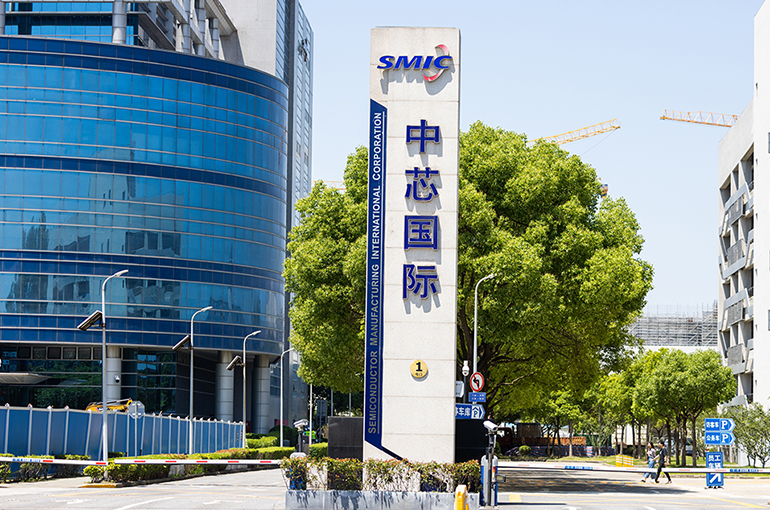 China’s drive to localize its semiconductor industrial chain helped Semiconductor Manufacturing International Corp. post a 23 percent leap in profit in the fourth quarter last year from the year before, even during the industry’s usual seasonal slowdown. The Chinese chip giant has also reshuffled capacity to cope with ongoing shortages in the memory market, executives said.
SMIC raked in net profit of CNY1.2 billion (USD173.6 million) in the three months ended Dec. 31, 2025, the Shanghai-based wafer foundry said on February 10. Revenue soared 12 percent to CNY17.8 billion (USD2.6 billion), with a gross profit margin of 17.4 percent.
Under International Financial Reporting Standards, SMIC’s revenue for the quarter climbed 13 percent year on year to USD2.5 billion, and the gross profit margin stood at 19.2 percent, according to the filing.
For the full year, China’s push for a more self-sufficient semiconductor supply chain helped lift demand, driving revenue up 16 percent from a year earlier to USD9.3 billion, SMIC said. Profitability also improved and the firm’s gross margin widened by 3 percentage points to 21 percent. Capital spending surged 11 percent to USD8.1 billion.
Looking ahead, SMIC said opportunities from the localization of the industrial chain will exist alongside the challenges posed by the shortage of memory chips. Revenue for the first quarter is likely to remain flat with the previous quarter, and the gross profit margin should hold steady at between 18 percent and 20 percent. For the full year, SMIC said it expects sales growth to outperform the industry average, with capital expenditure roughly unchanged from last year.
The global memory market has experienced a serious shortage since the second half of last year as demand for AI infrastructure surges. In response, SMIC has shifted as much capacity as possible toward sought-after memory products and related logic chips, co-Chief Executive Officer Zhao Haijun said at the earnings call today. Demand for circuits linked to data transmission and edge AI is also picking up.
Over the past couple of months, strong AI demand for memory has squeezed supply for other end markets, such as smartphones, Zhao said. While device makers can pass higher memory costs on to consumers, this can dampen demand. As a result, foundries are seeing fewer low- and mid-end orders, while orders tied to AI, memory and other higher-end products are on the rise.
Looking ahead, demand for AI investment is likely to stay strong for some time, which will keep high-bandwidth memory for AI data centers in short supply for the next few years, Zhao said. By contrast, the consumer memory shortage for mobile phones and computers could start to ease in the third quarter this year.
Source: Yicai Global
