


经济新闻
虹桥五年规划力促枢纽打造全球商务磁场 2026-08-27
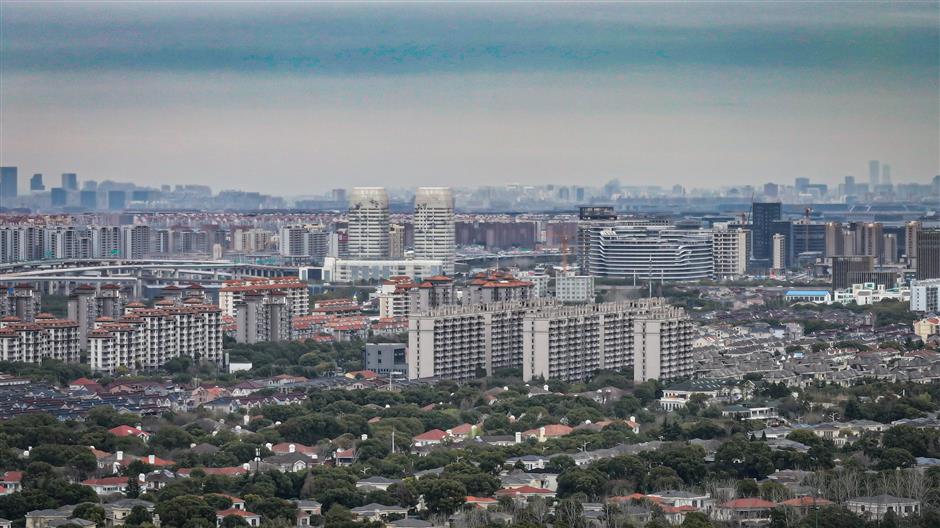
Foreign residents in Shanghai can renew a visa, convert a driver's license or even register a pet all under one roof at Hongqiao – a small piece of a much bigger five-year plan for the central business district (CBD) unveiled on Thursday.
The Hongqiao International Talent Service Center has handled more than 100,000 visits since it opened in March 2024, said Yang Zhengwei, executive deputy director of the Hongqiao International CBD management committee.
The center is part of the newly released "Hongqiao International Central Business District Development Plan for the 15th Five-Year Plan Period."
The plan sets out to turn the CBD – long known as Shanghai's transit and trade hub – into a global business and innovation center by 2030, Yang told a press briefing.
"By 2030, the business district will basically be built into a central vitality zone with global influence and a landmark region for reform and opening-up in the new era," Yang said.
The plan lays out five priorities: strengthening trade and headquarters functions, expanding the spillover effects of the China International Import Expo, upgrading the CBD's transportation hub, building research and development clusters tied to the Yangtze River Delta region, and improving city services and green space.
On trade, the CBD aims to grow its service trade volume from about US$17.9 billion to roughly US$23 billion over the next five years.
Officials also plan to add around 125 new corporate headquarters to the 283 already recognized by the city government during the previous five-year period.
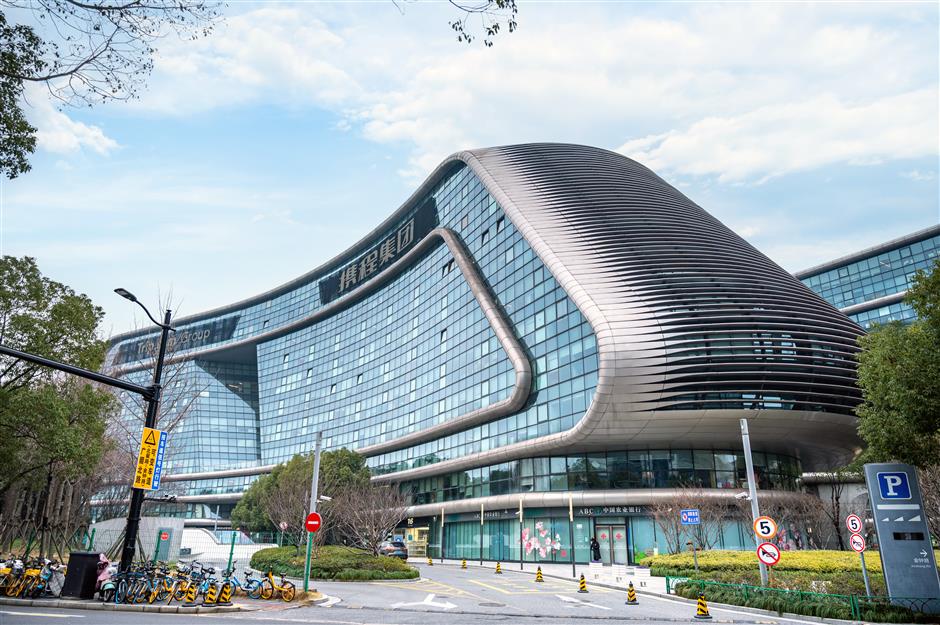
Much of that growth is expected to come from companies expanding overseas rather than into Shanghai.
The Hongqiao Overseas Development Service Center has organized nearly 200 events this year alone, drawing more than 8,500 company visits, 44 percent of them from the wider Yangtze River Delta region, Yang revealed.
The center has pooled resources from 229 domestic and international professional service firms, extending its reach to 173 countries and regions, and has directly assisted 325 companies – including 90 from the Yangtze Delta – with everything from legal compliance to cross-border financing.
Hongqiao's transportation hub already handles more than 400 million passenger trips a year, and the CBD plans to extend Metro Line 13 westward, add the new Jiamin line and push forward a new stretch of Yingbin Road, Yang said.
Changning District, home to Hongqiao's eastern flank, is positioning itself as a launchpad for the outbound push.
The district hosts more than a third of Shanghai's consulates and about half of the city's diplomatic residences, giving it what officials call a "15-minute overseas service circle" – a cluster of more than 60 service providers helping local firms plan their international expansion.
Video platform iQiyi, for instance, has used the district as a base to bring its content to nearly 200 countries and territories, while tea chain Chagee has expanded into eight overseas markets from its Changning headquarters, according to Lu Hao, deputy district head of Changning.
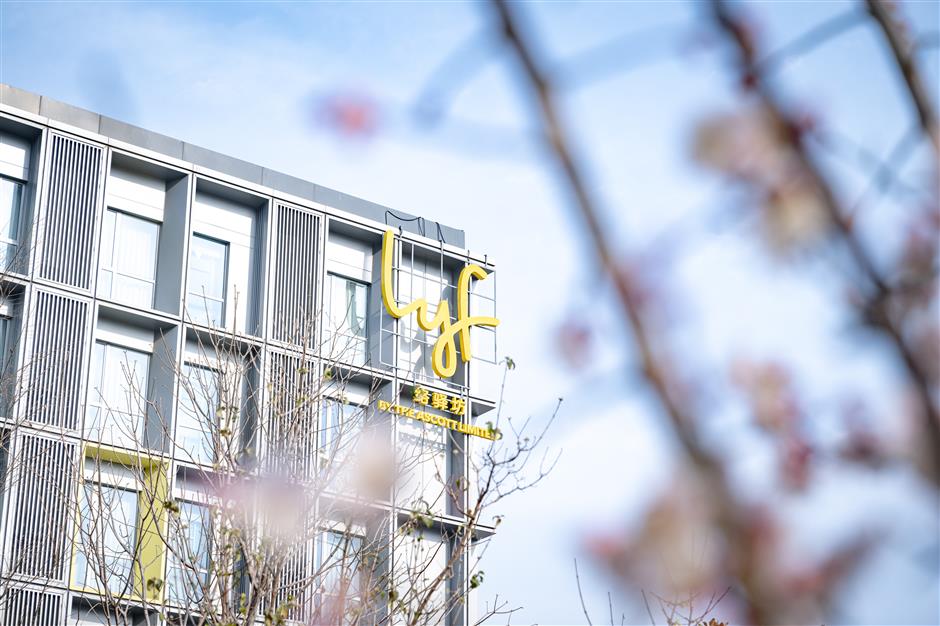
To the south, Minhang District is betting on brain-computer interface (BCI) technology as its next growth engine.
Since launching in June 2025, the BCI cluster has attracted more than 60 companies – about 30 percent of all such firms nationwide and more than 70 percent of those in Shanghai – with combined financing exceeding 1 billion yuan (US$142 million) and the cluster's core companies carrying a combined valuation above 5.5 billion yuan, said Tan Ruicong, deputy district head of Minhang.
A dedicated research ward at Huashan Hospital, equipped with 80 beds, has begun operating, part of what officials describe as a growing pipeline from lab research to clinical use.
Suburban Jiading District, in Hongqiao's northern reaches, is taking a different tack, leaning on its base of 32 major corporate headquarters and partnerships with seven universities and 11 national research institutes to build advanced manufacturing and smart-vehicle technology, including autonomous "robotrucks," said Liu Jiafeng, deputy district head of Jiading.
The plan also touches daily life closer to street level. In suburban Qingpu District, home to the National Exhibition and Convention Center – which hosts more than 60 major trade shows a year across more than 7 million square meters of floor space – officials are working to convert exhibition foot traffic into lasting consumer activity.
The Panlong Tiandi shopping and dining complex and Xiadu Town, home to a viral local restaurant known as "Wen's," are both being promoted as year-round draws rather than one-off exhibition stops, according to Chen Xiqi, deputy district head of Qingpu.
Source: City News Service
