



今日上海
脑机接口辅助超声用于治疗脑部疾病 - 2026年03月05日
BCI-assisted ultrasound used to treat brain disease
Chinese researchers have made a significant breakthrough in treating brain diseases using brain-computer interface (BCI)-assisted ultrasound technology.
The "UltraBrainPad," developed by Fudan University and Huashan Hospital in Shanghai, uses BCI-guided ultrasound neuromodulation to temporarily and precisely open the blood-brain barrier in glioblastoma patients, dramatically increasing drug concentration in targeted brain areas before safely resealing.
The system utilizes implanted pads to emit focused ultrasound waves. AI-assisted imaging lets doctors see the brain, choose the target and open the blood-brain barrier with ultrasound in minutes.
The procedure is quick, accurate and minimally invasive. The barrier typically opens for about three minutes and closes naturally within six hours after treatment.
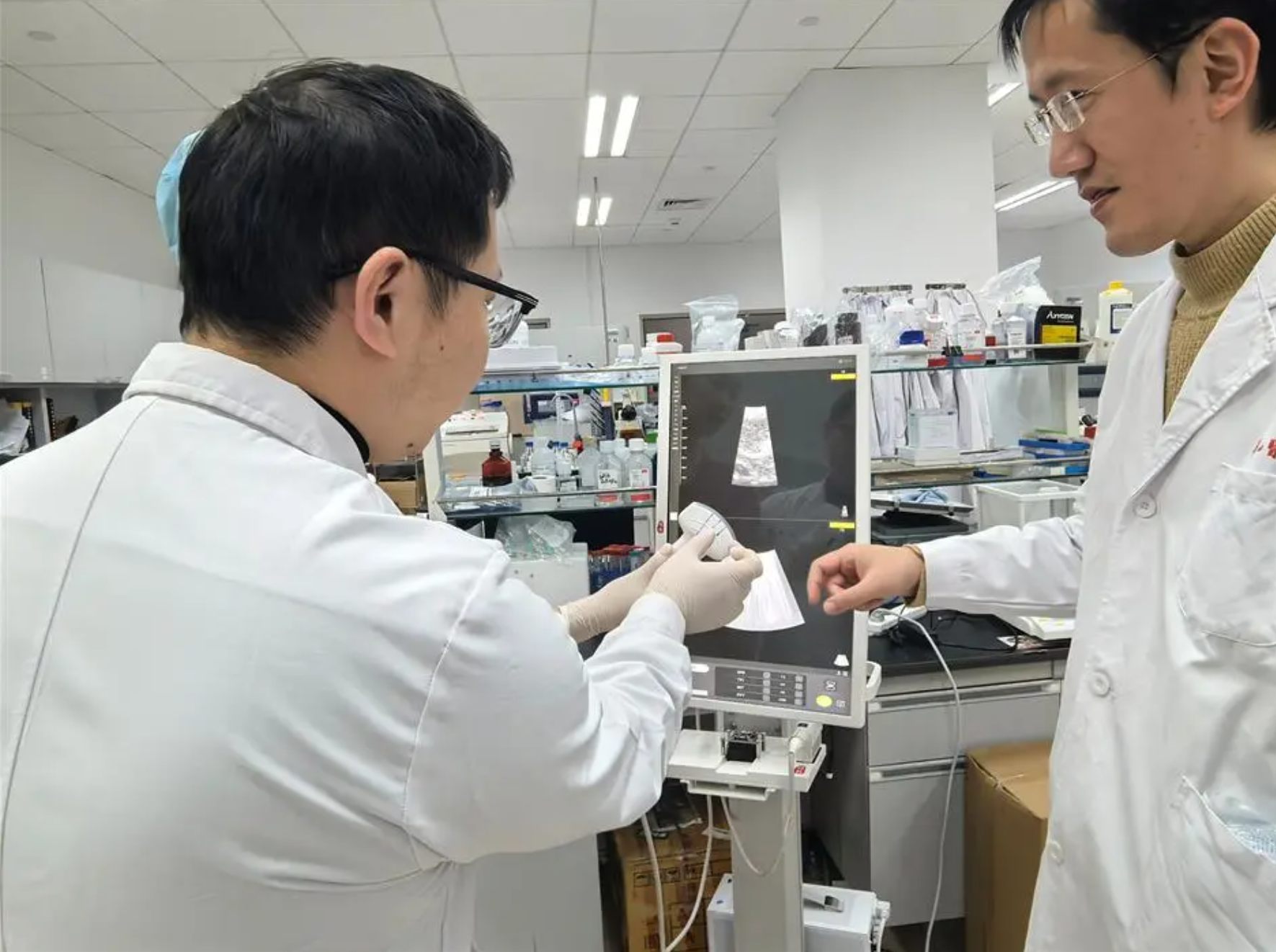
Doctors from Huashan Hospital show how the UltraBrainPad works.
The technology increased the concentration of drugs in brain tissue eightfold in vitro and in animal trials compared to conventional methods.
This allowed for lower drug dosages, reduced side effects, and potentially lowered treatment costs, all while improving therapeutic outcomes, according to Dr Shi Zhifeng from Huashan Hospital and one of the leading experts in the research.
Ultrasound is considered safe – similar to that used in prenatal examinations – making the procedure both effective and low-risk, he added.
Experts explained the team focused on glioblastoma due to its high malignancy, as it accounts for about one-third of brain tumors, with a median patient survival of around 16 months.
The main treatment for glioblastoma is chemotherapy. However, the blood-brain barrier has long been a major obstacle in chemotherapy, which this technology aims to overcome.
"This technology allows more drugs to enter the brain after BCI-assisted ultrasound opens the barrier while doctors can accurately target and monitor the drug use based on patients' brain information collected from the ultrasound," Shi added.
Beyond brain cancer, the researchers plan to adapt the technology for other neurological conditions such as Alzheimer's disease, Parkinson's disease, and functional disorders like chronic headache and insomnia.
Researchers said the project is a product of close collaboration between clinical medicine, engineering, AI and pharmacology.
"The integration of complex system parameters across medicine and engineering would not be possible without AI and deep interdisciplinary teamwork," said Yu Jinhua of Fudan University.
Dr Mao Ying, president of Huashan Hospital, highlighted that the study represents an innovative application of BCI technology and will help advance the entire BCI industry chain.
He hoped for more industry–research–medical partnerships to develop new platforms and BCI-based solutions.
This "ultrasound BCI" approach marks an important step forward in precision treatment for brain diseases, combining safety, efficacy and intelligent technology in a novel clinical platform, he added.
Source: City News Service
