


今日上海
一张赛车门票、一杯咖啡、一张汉服照:上海吸引全球游客的秘诀 - 2026年03月18日
A race ticket, a coffee, a hanfu photo: Shanghai's formula for global appeal
Time Out, a British lifestyle magazine, ranked Shanghai second in its 2026 global city survey – first in Asia, up from 17th just five years ago.
The ranking isn't about finance or skylines. Based on surveys of 24,000 residents across 150 cities and scored on 44 indicators – food, nightlife, affordability, culture, and "city feel" – it's a report card on lived experience. Shanghai scored near the top on all of them.
The climb has been consistent: 17th in 2021, 9th in 2025, 2nd this year. The magazine cited four reasons: urban character, daily life quality, openness, and cultural pull. On affordability alone, Shanghai took the ranking's highest marks – 88 percent of residents said eating out was affordable, 90 percent said cultural leisure was within reach.
The ranking's language about openness and affordability was, this spring, being tested at scale.
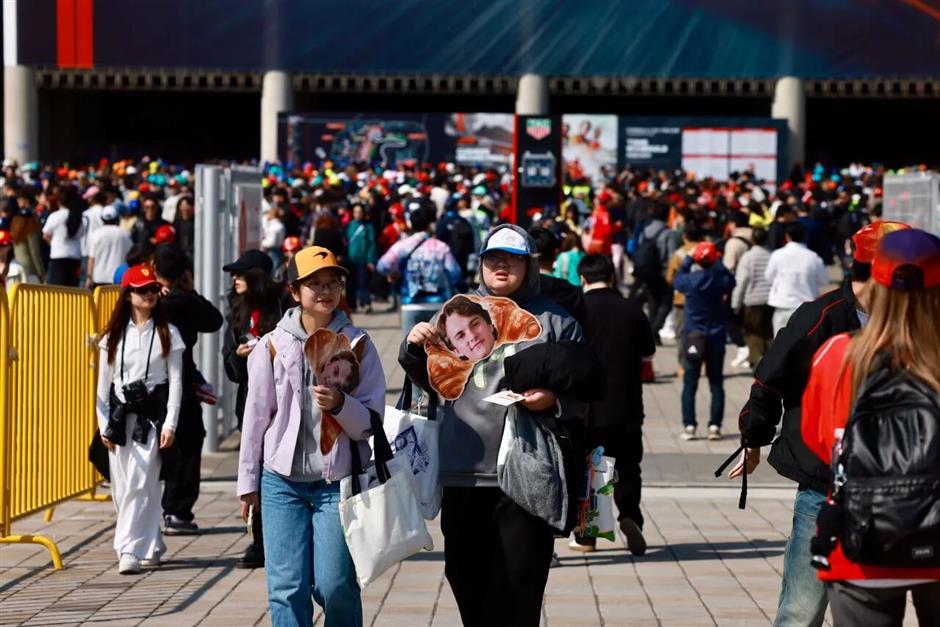
On March 15, Mercedes driver Andrea Kimi Antonelli crossed the finish line first at the Shanghai International Circuit. Total attendance across three race days exceeded 230,000 – the largest crowd in nearly two decades. Nearly 80 percent of spectators had traveled from outside Shanghai; 16 percent came from abroad. Within 3 kilometers of the circuit, hotel bookings surged an average of 125 percent.
But the event's footprint extended far beyond Jiading. This year's F1 Shanghai Grand Prix introduced what organizers called "stub economy" – a scheme turning race tickets into a citywide discount pass. Close to 500 merchants participated, from the circuit's home district to commercial hubs in Xuhui, Pudong, and Jing'an. A fan at CITIC Pacific Plaza on West Nanjing Road could redeem their ticket stub for free time on a racing simulator; at No. 1 Department Store on East Nanjing Road, a street was converted into an F1 block where Mercedes driver George Russell held a fan meet.
The parallel "Checkered Flag Carnival" ran across four city landmarks – the West Bund, the North Bund, Baoshan waterfront, and the circuit itself – and drew over 925,000 visits in eight days, a 231 percent increase over the prior year.
Time Out specifically credited China's expanding visa-free access – unilateral exemptions now cover 50 countries – as a factor in Shanghai's score. But the ranking also pointed to something harder to legislate: a shift in how Shanghai appears on social media.
Foreign visitors filming payment systems, street markets, and daily routines. A "becoming Chinese" meme circulating on overseas platforms. Influencers noting that Yuyuan Garden produces usable content regardless of skill. What's being transmitted isn't promotional material – it's lived experience, unfiltered. And it's reaching audiences who had no prior image of the city to update.
At a hanfu costume studio near Yuyuan, the manager now shoots nearly 100 groups daily, over 70 percent of them foreign visitors, with revenue running 30 percent above pre-festival levels.
Coffee, costume, cultural entry
If F1 demonstrated how Shanghai converts a single event into a distributed economic network, the coffee sector shows what that model looks like when embedded in daily life.
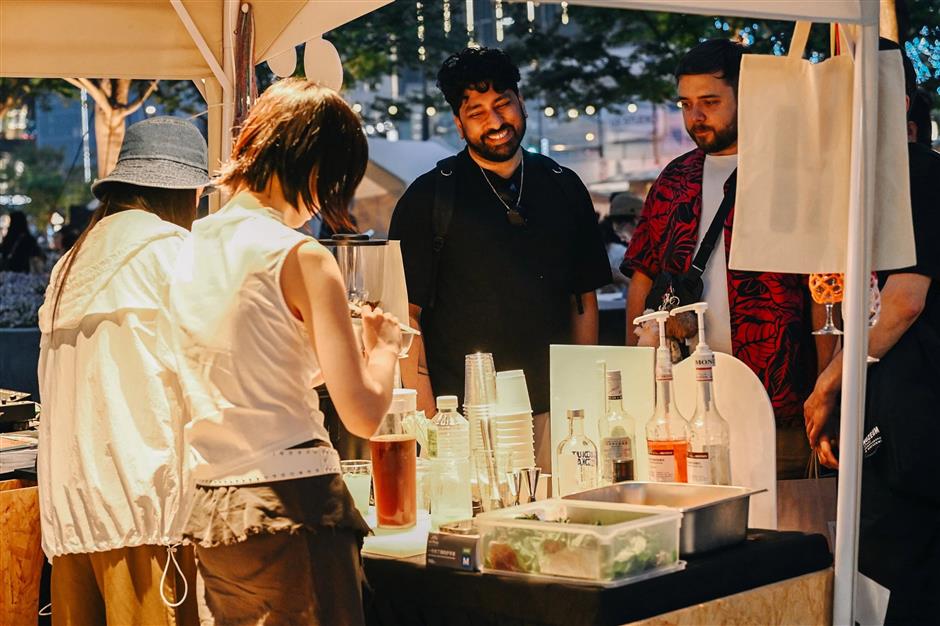
Shanghai has approximately 9,115 coffee shops as of 2024, more than New York, London, or Tokyo. The statistic is regularly cited, but what it describes is less about consumption volume than about the role coffee plays in the city's social architecture. In Time Out's affordability scoring, 90 percent of Shanghai residents said cultural leisure – the category that includes café visits – was within their means.
That culture scales to festival size. From April 30 to May 4, a 2.3-kilometer stretch of the North Bund waterfront will host the Shanghai (Jing'an) World Coffee Culture Festival, bringing over 300 domestic and international brands into a single open-air format.
Why the ranking matters
The Time Out list sits within a broader shift in how cities are evaluated internationally. Traditional global city indices – from Kearney's Global Cities Report to the Mori Memorial Foundation's rankings – weight financial connectivity, corporate concentration, research output, and institutional presence. By those measures, London, Paris, and New York have structural advantages that are difficult to erode.
But an increasing number of city rankings have moved toward what Time Out's methodology makes explicit: cultural density, neighborhood vitality, price accessibility, and quality of daily life. These indicators don't replace economic metrics, but they capture something the older frameworks miss – whether a city is a place people actually want to be in, week after week, across different budgets and backgrounds.
Shanghai's trajectory on the Time Out index suggests it has been systematically improving on exactly those dimensions.
The city's "Spring Season Premiere" program for 2026 lists 38 city-level events: 16 in arts and culture, 7 in sport, 9 in tourism and festivals, with convention and commercial events filling the remainder. F1 opened in March. The Jing'an Theater Festival and CTCC touring car championship follow in April. May brings the Coffee Culture Festival, the "Shenlang" music festival, and the Shanghai Global Equestrian Champions Tour.
Running underneath all of it, from March 15 to May 15, is a citywide hiking and flower itinerary – the first of its kind, integrating nine suburban districts, 50 agricultural and cultural events, and 55 curated routes. The city is, for two months, an open-air calendar of the things it does well.
Source: City News Service
