



今日上海
通过夜间经济释放增长潜力 - 2026年06月11日
Unlocking growth through the night economy
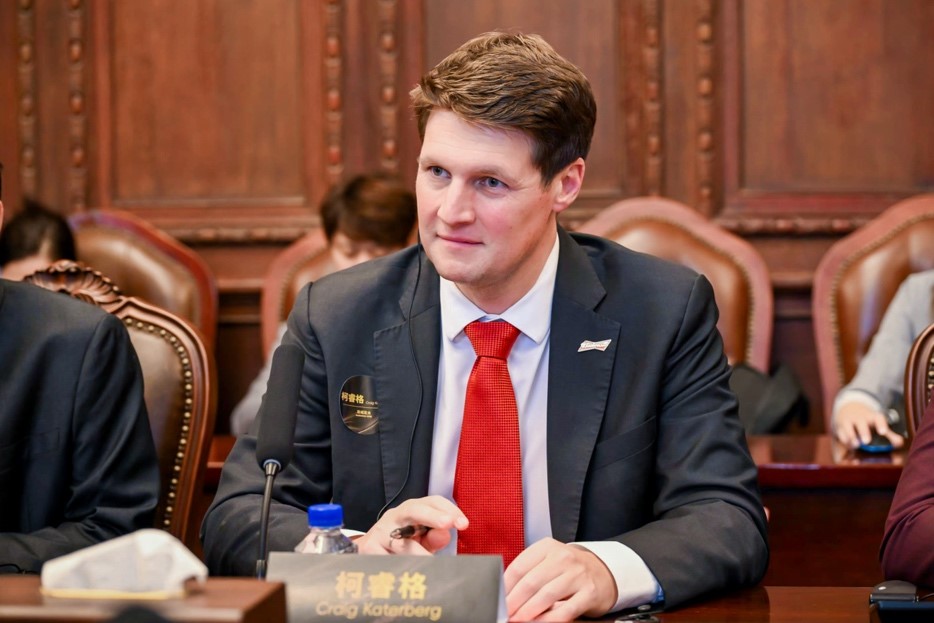 Craig Katerberg, chief legal and corporate affairs officer of Budweiser APAC.
 As the country looks for new ways to stimulate domestic demand, the night economy is increasingly being seen as a promising source of consumption growth.
Shanghai, for example — which has ranked first in China's nighttime economy index for five consecutive years — is positioning its nightlife, entertainment districts, and public spaces not only as tools for boosting consumption, but also for extending economic activity beyond traditional business hours.
The strategy was a central theme at a gathering of international urban development experts, economists, officials, and business leaders in Shanghai this month. Their discussions highlighted a growing consensus that the nighttime economy is no longer viewed simply as an extension of retail and hospitality, but as part of a broader effort to reshape urban consumption patterns.
"The most successful cities do not view the night as a separate economy, but as an extension of urban life," Andreina Seijas, founder of Night Tank and academic lead for the World Economic Forum's 24-Hour Economy Initiative, said.
For Shanghai, the opportunity lies in converting foot traffic into spending, while leveraging the city's extensive public infrastructure and international appeal. A report released by Budweiser China and Fudan University's consumer market big data laboratory found that stronger integration between culture, tourism, sports, exhibitions, and commerce could unlock additional consumer demand and increase the economic impact of nighttime activity.
Yet, the discussion also highlighted how the nature of consumption is changing.
Rather than focusing solely on shopping, cities are increasingly competing to provide experiences. From music festivals to sporting events, the goal is to encourage consumers to spend more time — and ultimately more money — in urban districts.
"People are looking for places and experiences that allow them to connect with one another," Craig Katerberg, chief legal and corporate affairs officer of Budweiser APAC, said. "The nighttime economy creates opportunities not only for consumption, but also for building communities and social engagement."
That trend is creating new opportunities for multinational consumer brands. Budweiser China's efforts offer one example. The brewer has invested heavily in bringing global intellectual property and large-scale events into China, including Tomorrowland, the Belgian electronic music festival that debuted in Shanghai last year. The company is also planning activities tied to the 2026 FIFA World Cup, betting that sports and entertainment can generate spending across hospitality, retail, and tourism.
"By integrating international entertainment and cultural resources with local consumption ecosystems, multinational companies are helping create new experiences and attract traffic to commercial districts," Huang Feng, president of the Shanghai Association of Foreign Investment, said.
Source: China Daily
