



今日上海
中国反战电影引发关于新型全球叙事方式的讨论 - 2026年08月17日
Chinese anti-war film sparks debate over new global storytelling
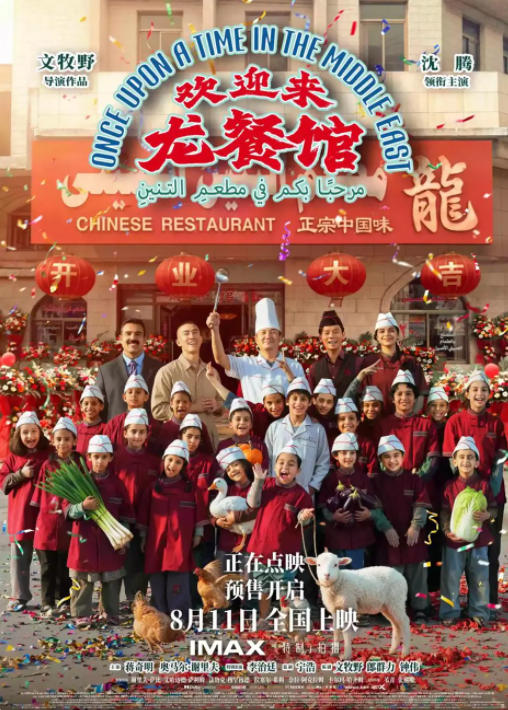
A new Chinese anti-war film set in the Middle East has become one of the summer box office’s most discussed releases, with supporters saying it offers a Chinese alternative to Hollywood-style war narratives.
"Once Upon A Time In The Middle East," directed by Wen Muye and starring Shen Teng, tells the story of Xu Fu, a Chinese chef from northeastern China who travels to the Middle East to open a restaurant and repay his debts. As war spreads, he shifts from trying to protect himself to helping rescue local children.
The film has been described by Chinese commentators and viewers as a rare domestic realist anti-war film. Some viewers said it was one of the most emotionally striking Chinese films they had seen in years, while scholars cited in Chinese media said it departs from the familiar Western heroic formula by focusing on an ordinary cook rather than a soldier or savior, CGTN has reported.
Much of the discussion has centered on the film’s use of food as its emotional core. Wen has said the phrase “eat well” reflects one of the most ordinary but meaningful forms of care in Chinese family life. In the film, the small Dragon Restaurant becomes a space where displaced people, children and ordinary civilians briefly find safety, food and dignity amid war.

One line — “There is only peace and food in Dragon Restaurant” — has been widely shared online. Commentators said the restaurant setting allows the film to connect China’s food culture with broader ideas of peace, coexistence and shared human suffering.
Some viewers and critics have also framed the film as a challenge to Hollywood war storytelling. They said that while many Hollywood films cast American soldiers as world-saving heroes, the movie presents war from the perspective of civilians and outsiders caught in the conflict. In this story, the hero is not a superhuman fighter but a chef and the ordinary people around him.
The film has also drawn political readings. Some commentators said it reflects Chinese values such as harmony, mutual respect and the idea of a shared future for humanity. They argued that the film’s anti-war message stands in contrast to narratives built around intervention, military power and unilateral heroism.
Overseas, the film has attracted attention before its wider release, according to Chinese media reports. Some online users have said the film represents a shift in Chinese cinema’s global ambitions, arguing that China no longer needs to measure its storytelling solely against Hollywood or the Oscars.
Source: Shanghai Daily
