



今日上海
AI科学家将技术应用于生命科学难题,如罕见病 - 2026年10月14日
AI scientist applies technology to life sciences problems, like rare diseases
Xie Weidi is an AI scientist at Shanghai Jiao Tong University who has spent much of his career solving problems. He started in communications, jumped into computers as deep learning took off, then moved from supervised to self-supervised learning. His latest turn is life sciences, where unanswered questions abound, like rare diseases.
Xie, 37, who won this year's World Laureates Association Young Scientist Award, helped develop DeepRare, an AI system designed not simply to predict a diagnosis, but to piece together fragmented medical evidence and show doctors how it reached its conclusions. DeepRare won the 2026 Superior AI Leader (SAIL) Award at this year's World Artificial Intelligence Conference (WAIC) in Shanghai.
The harder question, he says, is not only whether AI can learn to reason through medicine, but how far doctors should trust it.
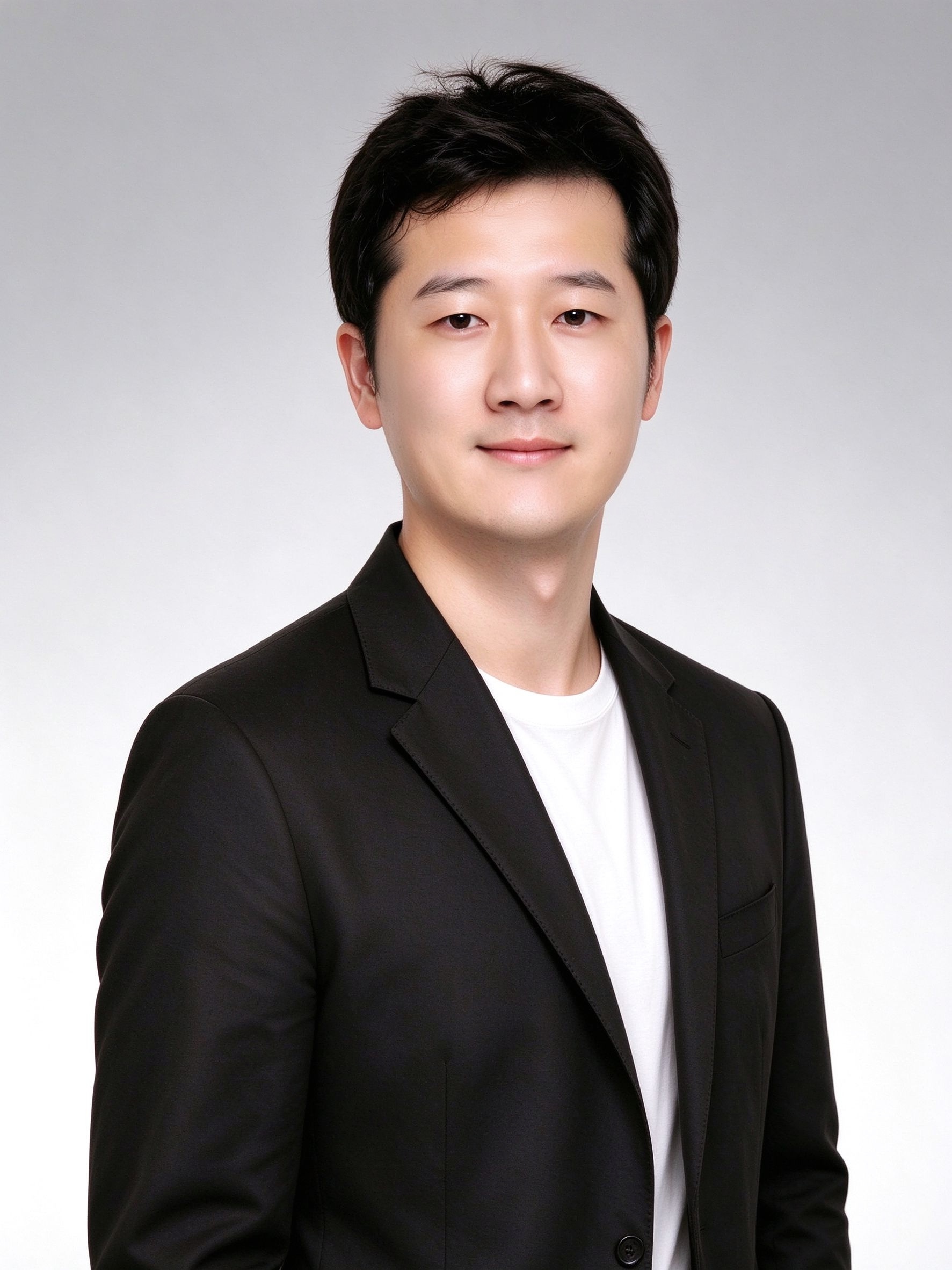
"In serious science, we can never completely trust AI," Xie said.
The rare disease frontier presents many problems that medical AI has yet to solve.
A single genetic disorder can affect several organs. Symptoms may appear years apart and land a patient in different hospital departments. Medical knowledge changes quickly, while the number of rare diseases is far beyond what any one specialist can keep in mind.
"It brings together almost all the pain points of AI in medicine," Xie said. "Multimodal data, fast-changing knowledge, a huge number of diseases and fragmented specialties."
That fragmentation is part of what keeps patients undiagnosed.
A child may first arrive at an orthopedic clinic with a fracture. A year later, a heart problem sends the same patient to cardiology. Then comes an eye condition and another specialist. Each doctor treats the problem at hand. What is harder to see is that a bone, the heart and the eye may all be telling the same story.
Xie sees AI's role as helping doctors read that storyline earlier. It may have little to work with on the first visit. But after a patient returns two or three times, the system has enough history to ask whether apparently separate problems belong to the same affliction.
That requires something different from prediction.
"Medicine is dynamic decision-making," Xie said. "It is like solving a case where the evidence is never complete. AI should not simply give you an answer. It should tell you what test to do next."
DeepRare was built around that idea. Rather than produce a diagnosis and ask doctors to take it on good faith, the system shows the guidelines, papers and evidence behind its reasoning, allowing doctors to check each step.

The point, Xie said, is not to replace clinicians.
"The system is an assistant, not the ultimate decision-maker," he explained.
That philosophy shapes how DeepRare is being used in hospitals.
At Shanghai Xinhua Hospital, DeepRare largely goes to work after the doctors have left. The pilot system, deployed as a research tool, scans medical records overnight and delivers a list of patients whose histories may warrant another look the next morning. Doctors then decide whether further testing is needed.
Xie said the system has screened about 1.5 million medical records and identified more than 3,000 suspected cases. Compared with manual screening, he said, it found about 40 percent more patients who warranted a closer look. The figures come from the research deployment and have not been independently verified.
In testing, Xie said DeepRare achieved diagnostic accuracy of around 60 percent. The result reflects a research-stage system rather than a broadly validated clinical product, and rare-disease diagnosis itself remains difficult even for specialists.
What matters to doctors, he said, is not only the final answer but the trail of evidence showing how the system got there – what he calls "traceable reasoning."
But accuracy does not automatically make a business.
"Frankly, it's the payment model," Xie said when asked what now stands in the way of bringing systems like DeepRare into wider clinical use.
DeepRare illustrates a broader problem in medical AI: doctors may find a tool useful long before anyone works out who should pay for it.
The dilemma is sharper in rare disease. Each individual condition may affect only a small number of patients, while the cost of building and maintaining the technology does not shrink with the market.
DeepRare is gaining users, but it has yet to cross the commercial gap. Xie said its online platform has more than 7,000 users across 68 countries, most of them doctors. At Xinhua Hospital, the system remains a research tool rather than a commercial product.
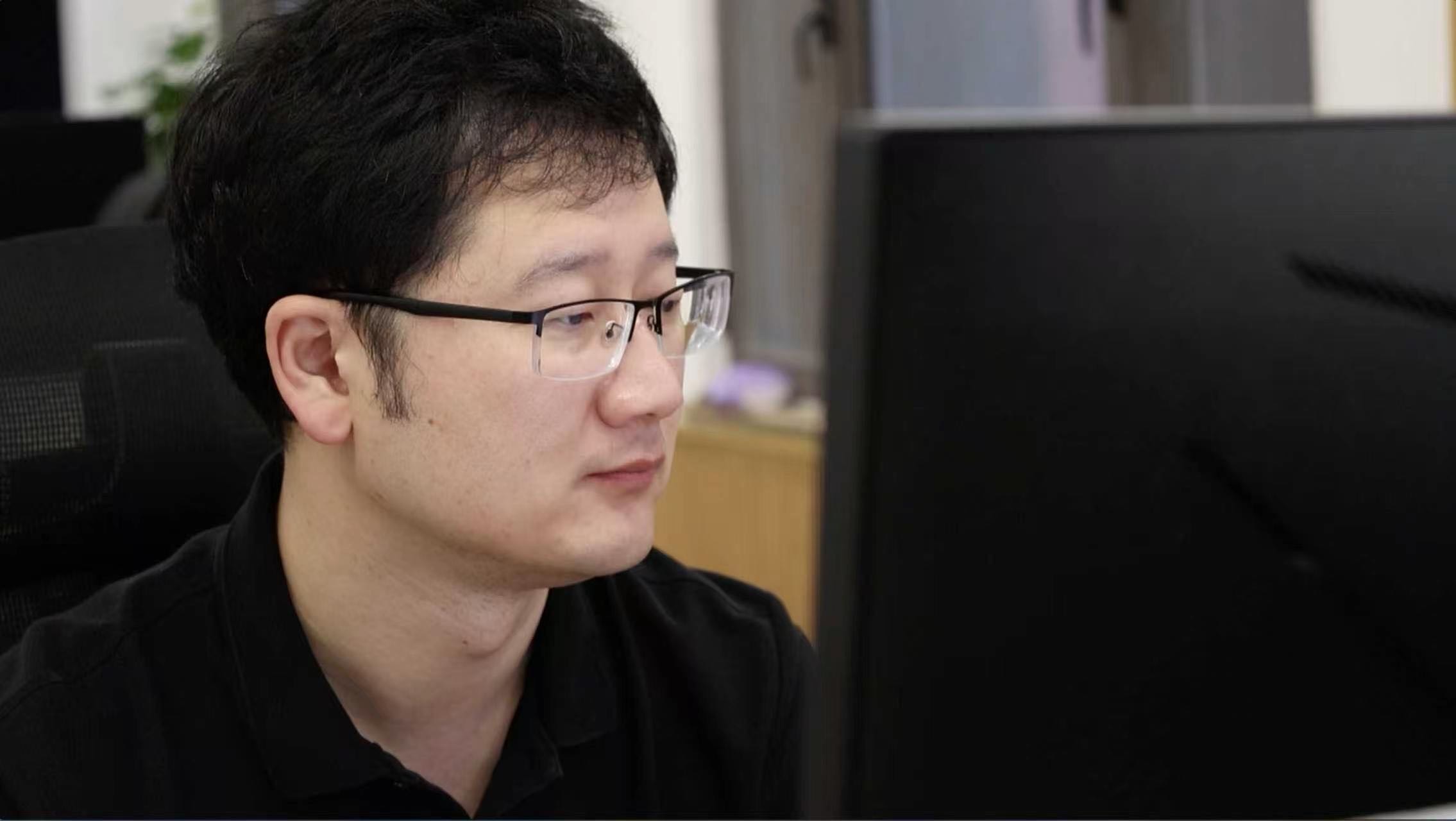
That is one reason Xie's OneX Intelligence is looking beyond rare-disease diagnosis.
The company describes its focus as AI Biological Foundation Models, with research spanning rare-disease diagnosis, tumor pathology and drug-perturbation prediction. Focused on the universal principles of living systems and starting from the central dogma of molecular biology, OneX Intelligence builds a unified foundation model spanning multiple species, modalities and scales. Its projects include DeepRare, published in Nature; KEEP, a multimodal tumor-pathology model published in Cancer Cell; and MAP, a virtual-cell drug-perturbation model published in Nature Machine Intelligence.
"We are an AI for Life Science company," he said. "Rare disease is one scenario to demonstrate the capability of the model."
For Xie, the longer-term goal is to use AI not only to identify disease, but eventually to help design treatments tailored to individual patients.
"We ultimately want to get to 'one man, one cure,'" he said.
Source: City News Service
