



今日上海
从乌镇到上海,托马斯·奥斯特玛雅与中国观众结下特殊情缘 - 2026年10月20日
From Wuzhen to Shanghai, Thomas Ostermeier finds a special connection with Chinese audiences
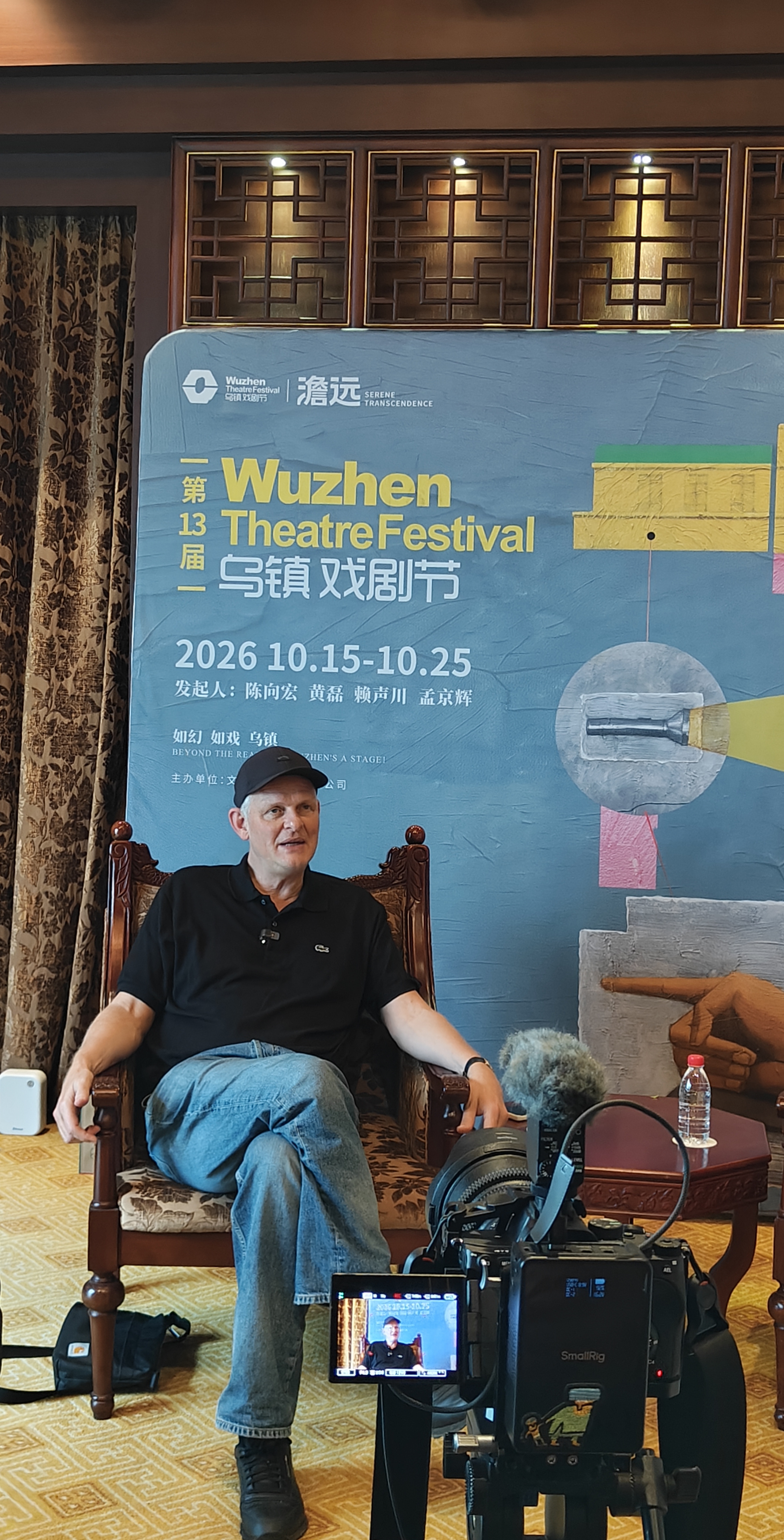
A woman audience member from Shanghai recently wrote to German theater director Thomas Ostermeier after watching his production of Henrik Ibsen's "The Wild Duck."
The apartment depicted onstage had brought back memories of her childhood – the darkness, the clutter and the uneasy atmosphere of the home she shared with her parents.
For Ostermeier, such deeply personal responses are among the reasons he keeps returning to China.
"I have rarely the same connections with audience members in Germany," he told City News Service during the 13th Wuzhen Theater Festival, where his production of "The Wild Duck," performed by Berlin's Schaubühne theater company, opened this year's program.
One of Europe's most influential contemporary theater directors, Ostermeier has built an international reputation for bold, psychologically intense interpretations of classic works.
His productions, including interpretations of works by Ibsen, Shakespeare and Chekhov, have toured internationally, earning acclaim for their contemporary settings, emotionally charged performances and exploration of social tensions.
He received the Golden Lion for Lifetime Achievement at the Venice Biennale's theater festival in 2011, recognition of his influence on contemporary European theater.
Yet despite his international stature, Ostermeier speaks about his Chinese audiences with a sense of genuine personal attachment.
Over the years, he has visited China repeatedly, developing friendships with local theater practitioners, including director Meng Jinghui, and building a devoted following among theatergoers.
Some fans travel from different provinces to attend his productions, bringing small gifts or writing emails afterward with detailed observations about what they have seen onstage.
They often connect the characters and situations in his plays with experiences from their own lives.
"That's very touching," he said.
What impresses him is not simply the enthusiasm of the audiences, but the depth of their engagement.
Many are not theater professionals or critics, yet they respond to his productions with remarkable sensitivity, recognizing details and themes that resonate with their personal experiences.
For some, attending his performances has become a shared ritual. Fans from different parts of China meet at festivals, watch his productions together and continue their conversations afterward.
Ostermeier said he finds this kind of connection particularly meaningful – and relatively rare in his experience with audiences back home.
For Ostermeier, the power of theater lies in its ability to express feelings that audiences may have experienced but never quite found the words to articulate.
He does not believe that any play automatically deserves to be performed simply because it is considered a classic.
Instead, he argues that every production must demonstrate its relevance anew.
A great work of art, he explained, can give audiences the sudden recognition that someone else has expressed something deeply familiar – an emotion or experience they previously believed was theirs alone.
That recognition, however, is never guaranteed. Different cultural backgrounds shape how audiences interpret what they see.
It is precisely this uncertainty, and the possibility of discovering unexpected connections, that makes international theater exchanges valuable to him.
Beyond the stage, Ostermeier sees his visits to China as opportunities to maintain personal relationships and challenge assumptions.
He acknowledged that perceptions of China in the West are often shaped by stereotypes. He himself believes direct encounters remain essential.
He wants to see China with his own eyes, meet people and engage in conversations that go beyond simplified narratives.
For him, maintaining communication between cultures becomes even more important when political differences appear difficult to bridge.
And his latest visit is not ending in Wuzhen.
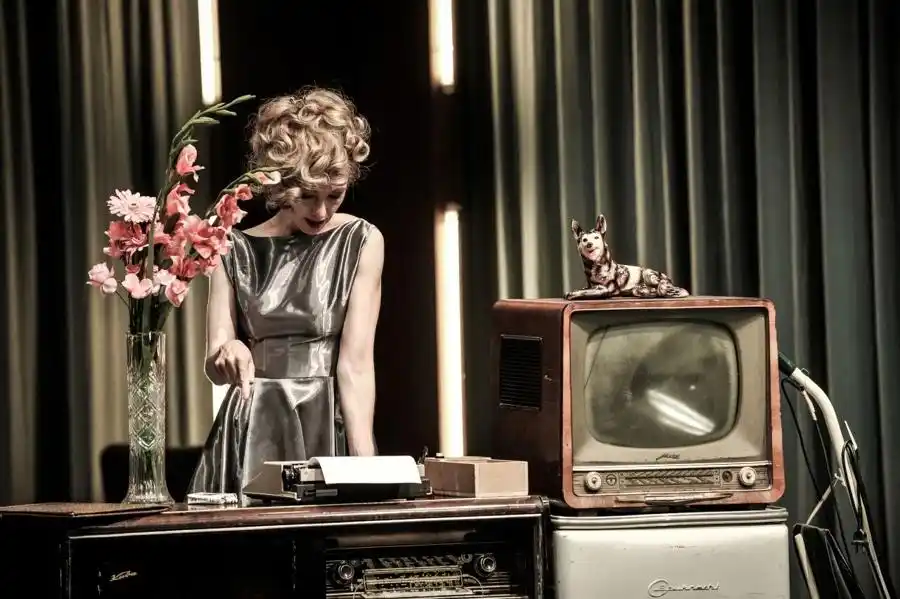
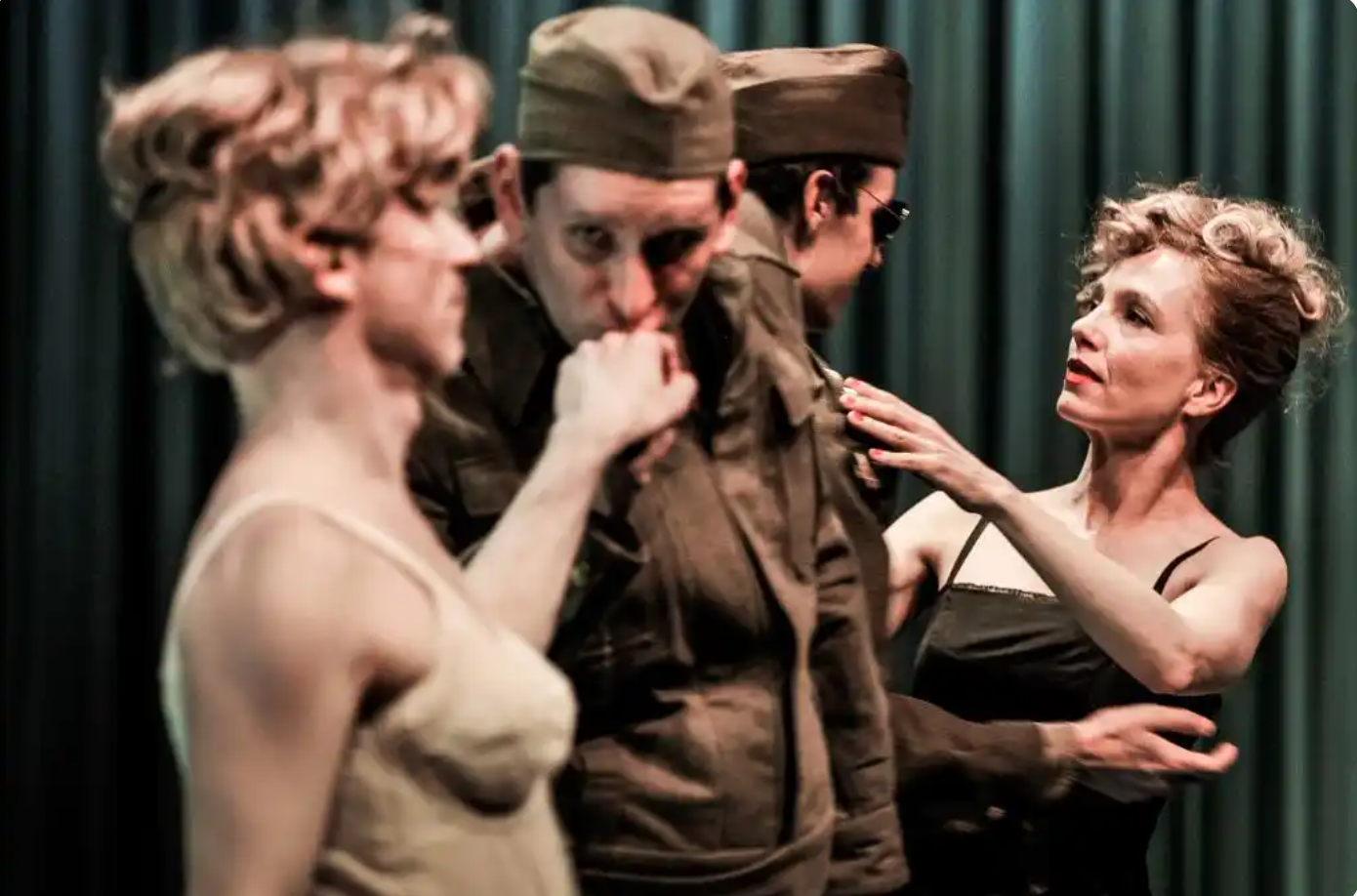
From October 22 to 24, Ostermeier will bring his stage adaptation of Rainer Werner Fassbinder's "The Marriage of Maria Braun" to Theater Young in Shanghai as part of the China Shanghai International Arts Festival.
Based on Fassbinder's acclaimed 1979 film, the production follows a woman's struggle for survival and success in postwar Germany, exploring the relationship between personal ambition, economic transformation and the country's troubled history.
Ostermeier said he is particularly looking forward to reconnecting with audiences in Shanghai.
He spoke warmly of Theater Young as a venue rooted in its local community, rather than an exclusive cultural destination.
Some of the fans who traveled to Wuzhen to see "The Wild Duck" are already planning to follow him to Shanghai for his next production.
For a director whose work has traveled across continents, it is these encounters – conversations after performances, messages from strangers and friendships sustained over years – that continue to make returning to China meaningful.
And sometimes, all it takes is a familiar apartment onstage for people from different cultures to discover how much they share.
Source: City News Service
