



Keeping giant ship of China-US relations on a steady course - 2026-05-12
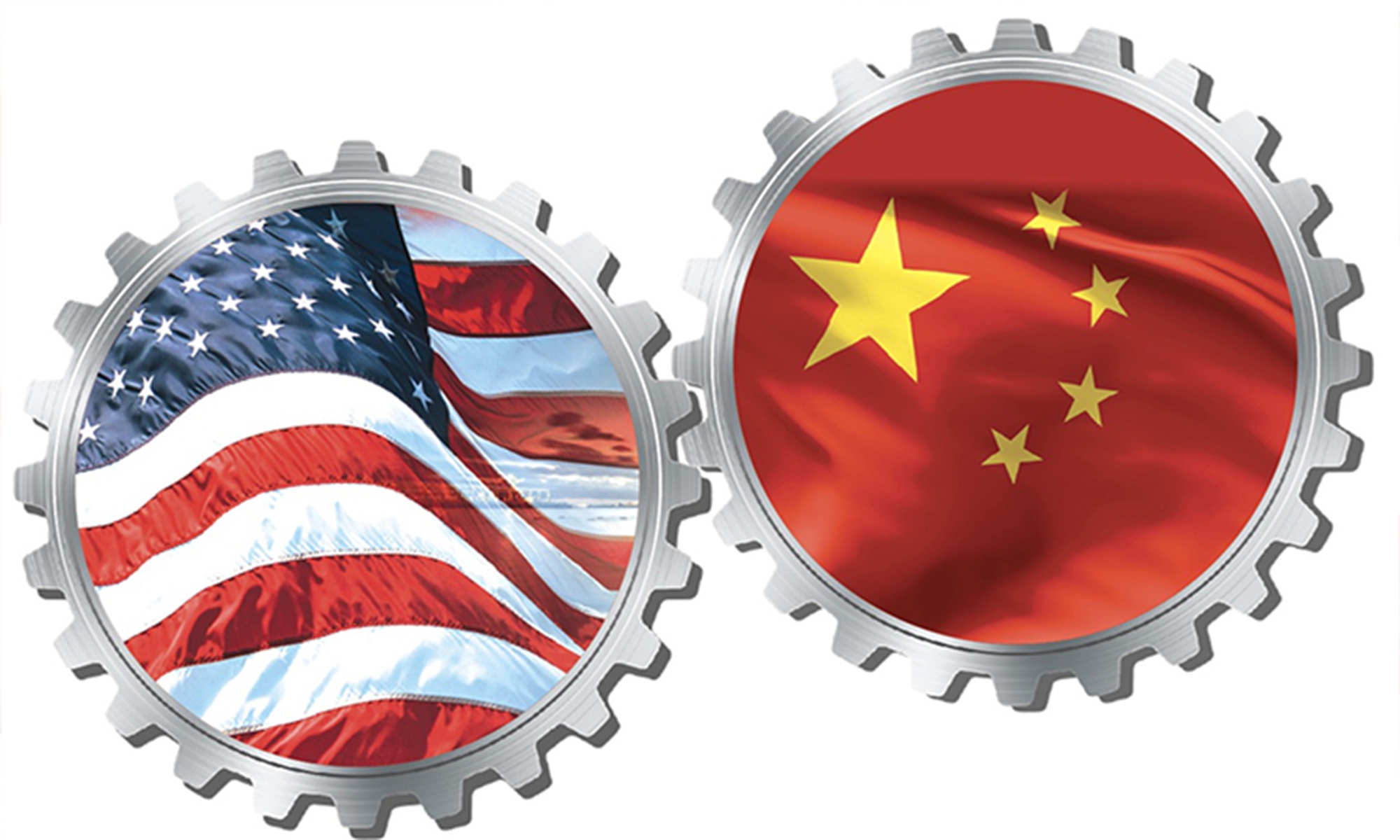
US President Donald Trump will pay a state visit to China from Wednesday to Friday at the invitation of Chinese President Xi Jinping. Following China's official confirmation of this visit, related reports quickly dominated the headlines of nearly all major international media outlets, underscoring the immense significance of this widely watched meeting. Such attention reflects the international community's high expectations for China-US relations: Only when the bilateral ties between these two countries remain stable and sustainable can global stability and development be guaranteed.
This marks the second face-to-face meeting between the leaders of the two countries since their Busan meeting last October and the first visit to China by a US president in almost nine years. Over the past nine years, China-US relations and the international landscape have undergone significant changes. Amid these changes, the logic that cooperation between China and the US benefits both sides, while confrontation harms both, has remained unchanged. By upholding mutual respect, maintaining the bottom line of peaceful coexistence, and striving for a future of win-win cooperation, the two countries can continuously build mutual trust and chart a correct path for their relationship. Against the backdrop of an international landscape that is witnessing turbulence and transformation, the importance of maintaining strategic stability in China-US relations - one of the world's most consequential bilateral relationships - is constantly rising.
Heads-of-state diplomacy plays an irreplaceable role in providing strategic guidance for China-US relations. In the more than one year since President Trump was re-elected, President Xi has held multiple telephone conversations and meetings with him, which have helped correct the course of the bilateral relationship and steer it clear of hidden dangers at critical moments. The two heads of state take the lead by maintaining sound interactions at the highest level, providing crucial strategic safeguards for the improvement and development of China-US relations, and promoting overall stability despite ups and downs. For China-US relations to truly stabilize and improve in the future, the most fundamental step is to fully and faithfully implement the important consensus reached by both leaders.
China and the US should also be fully capable of continuously "shortening the list of problems and lengthening the list of cooperation." As the world's two largest economies, China and the US account for more than one-third of global economic output and approximately one-fifth of global merchandise trade. Stable and healthy economic and trade relations between the two countries serve as a key driver for boosting market confidence and propelling the global economy toward stabilization and recovery. In addition, the two countries have strong prospects for cooperation in combating illegal immigration, telecom fraud, money laundering, artificial intelligence, and infectious diseases. Regarding global governance and international hotspot issues, coordinated efforts on food security, energy security, and other issues would help address global challenges and promote stability in troubled regions. China and the US share extensive common interests and a broad space for cooperation. There are many "major, practical, and positive things" the two countries can do together for the benefit of both peoples and the world, and such opportunities will only continue to grow.
The key question is how this can be achieved. The immediate priority is to continuously address issues of perception and understanding, effectively fastening "the first button" of bilateral relations. China's attitude toward building a healthy, stable, and sustainable relationship with the US has consistently been positive, open, and highly responsible. The US should work with China in the same direction, guided by the principles of equality, respect, and mutual benefit, while expanding cooperation and properly managing differences. If China-US relations are handled through a zero-sum mentality and China is stubbornly defined as an adversary by the US, US policy toward China will lose its direction and ultimately harm both sides. History has repeatedly shown that dialogue between China and the US is better than confrontation, cooperation is better than a zero-sum game, and stability is better than volatility. Many observers have noted that a new round of discussion on China policy has emerged within the US, with increasing recognition of China's development achievements and the importance of stable bilateral relations. Public favorability toward China among Americans has also continued to improve.
It must be emphasized that the Taiwan question concerns China's core interests and constitutes the first red line that must not be crossed in China-US relations. Adhering to the one-China principle, the three joint communiqués between the two countries, and the commitments made by successive US administrations on the Taiwan question is not only an international obligation of the US, but also a necessary precondition for the stable, healthy, and sustainable development of China-US relations. China's determination to safeguard national unity and territorial integrity is unwavering, and "Taiwan independence" separatism is fundamentally incompatible with peace and stability across the Taiwan Straits. What the US especially needs to recognize is that maintaining peace and stability in the Taiwan Straits requires a clear and unequivocal opposition to "Taiwan independence."
The Pacific Ocean is vast enough for both China and the US to prosper in their own ways. China-US relations have never been a question of whether they should be managed well, but rather a question of how they should be managed well. This year is also an important year for China-US relations, and we hope that meetings between the two heads of state will bring more positive news to both countries and the world, making 2026 a landmark year in the development of healthy, stable, and sustainable China-US relations.
Source: Global Times