



Government News
Shanghai introduces new regulations to boost cruise economy 2026-01-06
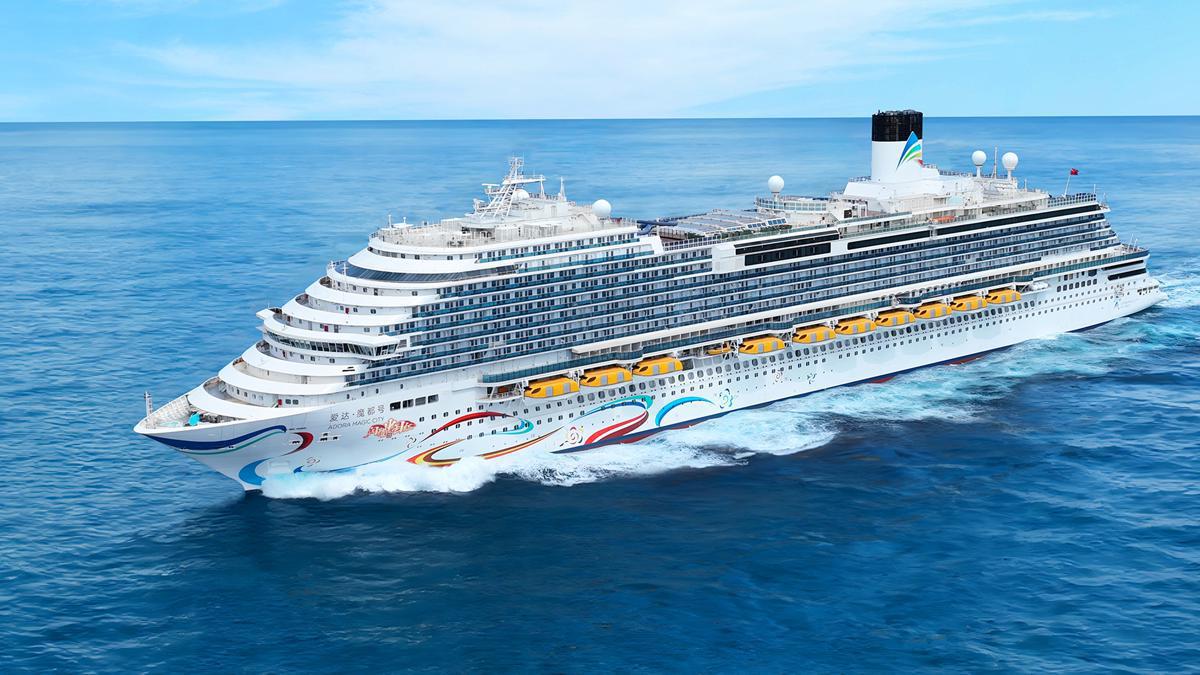
China's first domestically built cruise ship, Adora Magic City, cruises the ocean.
Shanghai has introduced new regulations to promote the development of the cruise economy as part of its efforts to build an Asia-Pacific cruise hub.
The 27-article regulations, adopted on Dec 30, 2025, will come into effect on March 1, 2026. They aim to build an integrated ecosystem positioning Shanghai as a hub port for cruise operations, a headquarters port for corporate management, and a manufacturing port for shipbuilding and research and development.
Diversifying cruise products
A key focus of the regulations is innovation in cruise itineraries. Shanghai will pilot "cruises to nowhere", allowing international ships to depart from and return to Shanghai while sailing within approved waters without calling at other ports.
The city will also facilitate the orderly development of multi-port itineraries for foreign-flagged cruise ships, encouraging them to consecutively call at two or more Chinese ports —including Shanghai—on international routes.
To expand market appeal, the regulations encourage diversification of cruise tourism products and improvements to both onboard and onshore experiences.
Shanghai will develop integrated air-sea, land-sea, and river-sea tourism offerings, and promote cruise consumption models that combine cruise travel with air transport, high-speed rail, and inland river cruises.
The city will further develop cruise inbound tourism by encouraging cruise lines to operate from multiple home ports, increase port-of-call visits, and attract more international tourists to enter China by cruise.
Cruise lines are also encouraged to design thematic voyages featuring traditional Chinese culture and local characteristics.
A world-class port environment
To create a world-class port and service environment, the regulations mandate measures such as priority entry and exit for cruise ships, as well as enhanced navigation services during adverse or special weather conditions.
Shanghai will improve the convenience of ship replenishment services and ensure the supply of materials essential to cruise operations, including food, daily necessities, pharmaceuticals, medical equipment, emergency supplies, and spare parts.
The city will formulate and regularly update a publicly available list of common low-risk supplies permitted for replenishment at port, specifying allowable types and quantities.
Cruise lines are encouraged to establish international distribution centers for cruise supplies near cruise ports, while relevant districts will explore the development of customs special supervision areas or bonded facilities in and around cruise terminals.
In addition, the regulations call for the construction and upgrading of shore-power facilities at cruise terminals and support the use of green fuels and other new energy technologies to reduce the environmental impact of port operations.
Cruise-themed tourism resort areas
The regulations also seek to boost the competitiveness of the entire cruise industry chain by promoting integrated development between ports and the city.
They encourage closer links between cruise operations and surrounding cultural, tourism, commercial, and exhibition activities, and support relevant districts in advancing cruise-themed tourism resort areas. These areas will enhance functions such as tourist reception, cruise services, leisure and shopping facilities, international payment options, and multilingual services.
Business attraction
To attract global players, the regulations call for refined incentive policies and facilitation measures to encourage both international and domestic cruise lines to establish regional headquarters in Shanghai, forming a headquarters cluster.
To build a hub for cruise ship manufacturing, Shanghai will improve the cruise manufacturing industry chain and strengthen competitiveness in high-end manufacturing.
The city will promote the development of a world-class cruise ship design and construction base by enhancing R&D systems, final assembly and construction capabilities, maintenance and modification services, and supporting systems across the industry chain.
Efforts will also focus on the integration of core cruise systems and the development of key equipment, including applied research on ship materials, propulsion systems, safety assurance, communication and navigation, integrated monitoring, and energy management technologies.
Talent and government support
Recognizing the importance of a skilled workforce, the regulations place strong emphasis on talent development.
They encourage universities and research institutions to offer specialized programs in cruise economics and support cooperation with industry players to create practical training bases.
District-level governments are required to establish dedicated service centers for cruise crew to facilitate their recruitment, placement, and training.
The regulations also call for the creation of a one-stop, diversified dispute-resolution mechanism to ensure cruise-related issues are handled efficiently and fairly.
Source: China Daily